The Secret to Sensationally Clingy Pasta: Master Your Next Meal
Are you tired of serving up pasta where the sauce stubbornly slides off each strand or shape, leaving you with a delicious but disconnected dish? The dream is a bowl where every bite offers a harmonious blend of tender pasta and rich, enveloping sauce. Achieving this culinary synergy isn't just for professional chefs; it's an attainable skill for any home cook eager to elevate their weeknight meals. This comprehensive guide will reveal the essential techniques for mastering
how to cook pasta perfectly, ensuring your sauce clings beautifully every time. From the humble pot of water to the final marriage of ingredients, we'll unlock the secrets to truly cohesive and flavorful pasta dishes.
The Foundation: Mastering the Pasta Pot and Water
The journey to perfectly clingy pasta begins long before the sauce touches the noodles. It starts with the water itself. Too often, home cooks underestimate the importance of proper water volume and salinity. To effectively
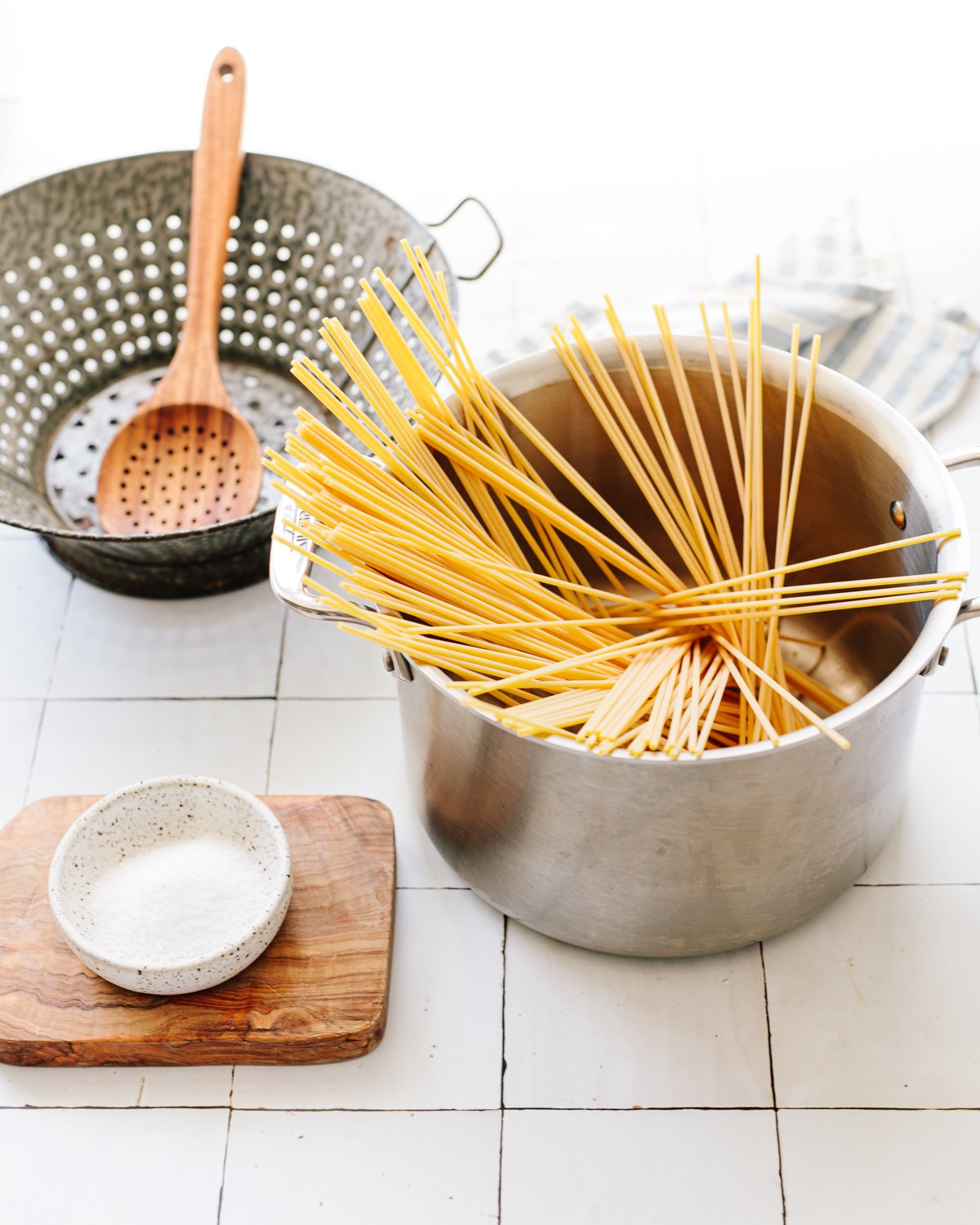
cook pasta, you need space. For one pound of pasta, a large 8- to 12-quart pot filled three-quarters of the way with water is ideal. This generous amount allows the pasta ample room to move freely, preventing it from clumping together and ensuring even hydration and cooking. Think of it as a spacious swimming pool for your pasta, rather than a cramped bathtub.
Once your pot is adequately filled, crank up the heat and bring the water to a vigorous, rolling boil. This isn't just about speed; it's crucial for maintaining a consistent temperature when the pasta is added. A gentle simmer won't cut it, as the temperature will drop too dramatically upon adding the pasta, leading to gummy, unevenly cooked results.
Now, for the magic ingredient: salt. Seasoning the pasta water is perhaps one of the most vital, yet overlooked, steps in
how to cook pasta. Just like seasoning any other component of your meal, adding salt to the water infuses flavor directly into the pasta as it cooks, seasoning it from within. The recommended ratio is approximately one tablespoon plus one teaspoon of salt per gallon of water. Don't be shy; the pasta absorbs only a small fraction of this, but it makes an enormous difference to the final taste. A common misconception we love to address when we
achieve perfect pasta: debunking common cooking myths is the use of oil in pasta water. Resist the urge to add oil! While some believe it prevents sticking, oil and water don't mix, meaning it just floats on top. Worse, it can coat the pasta, creating a slick surface that actively prevents your delicious sauce from clinging later on.
The Art of Al Dente: Timing, Stirring, and the "Bite Test"
Once your water is at a rolling boil and perfectly seasoned, it's time to introduce your pasta. Add it swiftly and immediately begin stirring. This initial agitation is crucial for preventing the pasta from sticking to itself or to the bottom of the pot. Continue to stir every few minutes throughout the cooking process to ensure even cooking and prevent clumping.
The biggest question in
how to cook pasta often revolves around timing. While pasta package instructions provide a reliable guideline for achieving that perfect "al dente" bite, they are just that – a guide. Al dente, meaning "to the tooth," describes pasta that is tender yet firm, offering a slight resistance when bitten, without being hard or chalky in the center. It's the ideal texture for sauce cling because it holds its shape and structure, providing a sturdy foundation for the sauce to embrace.
To truly master al dente, you must taste. Start checking your pasta about a minute or two before the package suggests. Bite into a piece; it should be firm but yield easily, with no hint of raw flour in the middle. For a deeper dive into this essential technique, check out our guide on
How to Cook Pasta Al Dente: The Ultimate Step-by-Step Guide.
Crucially, just before your pasta reaches its desired doneness – typically about one minute before the timer goes off – reserve 1 to 2 cups of the starchy pasta water. This "liquid gold" is an indispensable tool in a professional kitchen, and it will become yours too. The starch released by the pasta into the water is a natural emulsifier, helping to bind your sauce and pasta together, creating that glossy, rich texture you crave.
The Golden Rule: Marrying Pasta and Sauce for Ultimate Cling
Here's where the magic truly happens, and it's the defining moment for superior sauce cling. After reserving your pasta water, drain the pasta – but
do not rinse it. Rinsing your pasta is a common mistake that washes away the precious surface starch that is essential for helping your sauce adhere. Without this natural adhesive, your sauce will have a much harder time sticking.
Instead, immediately transfer your drained pasta directly into the pan with your simmering sauce. This step is non-negotiable for achieving pro-level results. Toss the pasta with the sauce, allowing them to cook together for a minute or two over medium heat. This brief co-cooking period allows the pasta to absorb some of the sauce's flavors, and more importantly, allows the sauce to truly meld with the pasta.
This is also where your reserved pasta water comes into play. Add a ladleful (or two, or three) of the starchy water to the pan as needed. Stir continuously, allowing the pasta water to emulsify with the sauce. You'll notice the sauce transforming, becoming glossier, slightly thicker, and beautifully cohesive. It will start to coat each piece of pasta, rather than simply sitting on top of it. This technique, known in Italian as "mantecare," is what brings everything together, creating a dish where the pasta and sauce are indistinguishable, a true testament to mastering
how to cook pasta.
Pro Prep: The Secret to Stress-Free Pasta Perfection
While the water is boiling and the pasta is cooking, time is of the essence. Professional chefs swear by "mise en place" – everything in its place. This means having all your ingredients prepped, measured, chopped, and ready to go before you even start cooking. Use the time your water is coming to a boil to chop your garlic, dice your onions, grate your cheese, or open that can of tomatoes. Place everything in small bowls or containers so you can add ingredients quickly and precisely as your recipe demands.
This organized approach isn't just about efficiency; it's about control. It prevents the frantic scramble that can lead to overcooked pasta while you’re still mincing garlic. With everything prepped, you can focus entirely on the cooking process, ensuring your pasta hits that perfect al dente mark and gets married to the sauce at just the right moment, without any distractions. It’s a simple tip that dramatically improves your overall cooking experience and the quality of your final dish.
Conclusion
Mastering
how to cook pasta is more than just boiling water; it's an art that combines attention to detail with precise technique. By following these essential tips – using ample salted water, cooking to a perfect al dente, never rinsing, reserving that liquid gold pasta water, and most importantly, marrying your pasta directly with the sauce – you’ll transform your pasta dishes from good to extraordinary. Embrace these professional secrets, and you'll consistently create pasta that is tender, flavorful, and exquisitely coated in a rich, clingy sauce, turning every meal into a culinary triumph. Happy cooking!