Achieve Perfect Pasta: Debunking Common Cooking Myths
Are you tired of serving up plates of limp, overcooked pasta? Do you dream of achieving that perfect “al dente” bite that transforms a simple meal into a culinary masterpiece? If you've ever wondered
how to cook pasta like a seasoned chef, you've come to the right place. This comprehensive guide will not only walk you through the essential steps to pasta perfection but also debunk some of the most common myths that hold home cooks back. Get ready to elevate your pasta game and impress yourself and your guests with consistently delicious results.
The Al Dente Advantage: Why Texture Matters
The secret to truly outstanding pasta lies in mastering the art of "al dente." This Italian phrase, meaning "to the tooth," describes pasta that is cooked through but still firm to the bite, offering a slight resistance. It's neither hard and chalky nor mushy and soft. Achieving al dente is crucial for several reasons:
*
Superior Texture: It provides a pleasant chewiness that enhances the overall eating experience. Overcooked pasta, on the other hand, lacks structure and can feel gummy in the mouth.
*
Better Flavor: Al dente pasta retains more of its inherent wheat flavor. When pasta is overcooked, its delicate taste can be washed out, leaving it bland.
*
Optimal Sauce Cling: The slight firmness and rougher exterior of al dente pasta allow sauces to adhere beautifully, ensuring every bite is perfectly coated.
*
Improved Digestibility: Interestingly, al dente pasta is often considered easier to digest than its overcooked counterpart, as its starches are less readily broken down.
Understanding and appreciating al dente is the first step in learning
how to cook pasta truly well. For a deeper dive into this technique, check out our detailed guide on
How to Cook Pasta Al Dente: The Ultimate Step-by-Step Guide.
Mastering the Basics: A Step-by-Step Guide to Cooking Pasta
Let's break down the process into actionable steps that will guarantee success every time you cook.
The Right Pot and Water Ratio
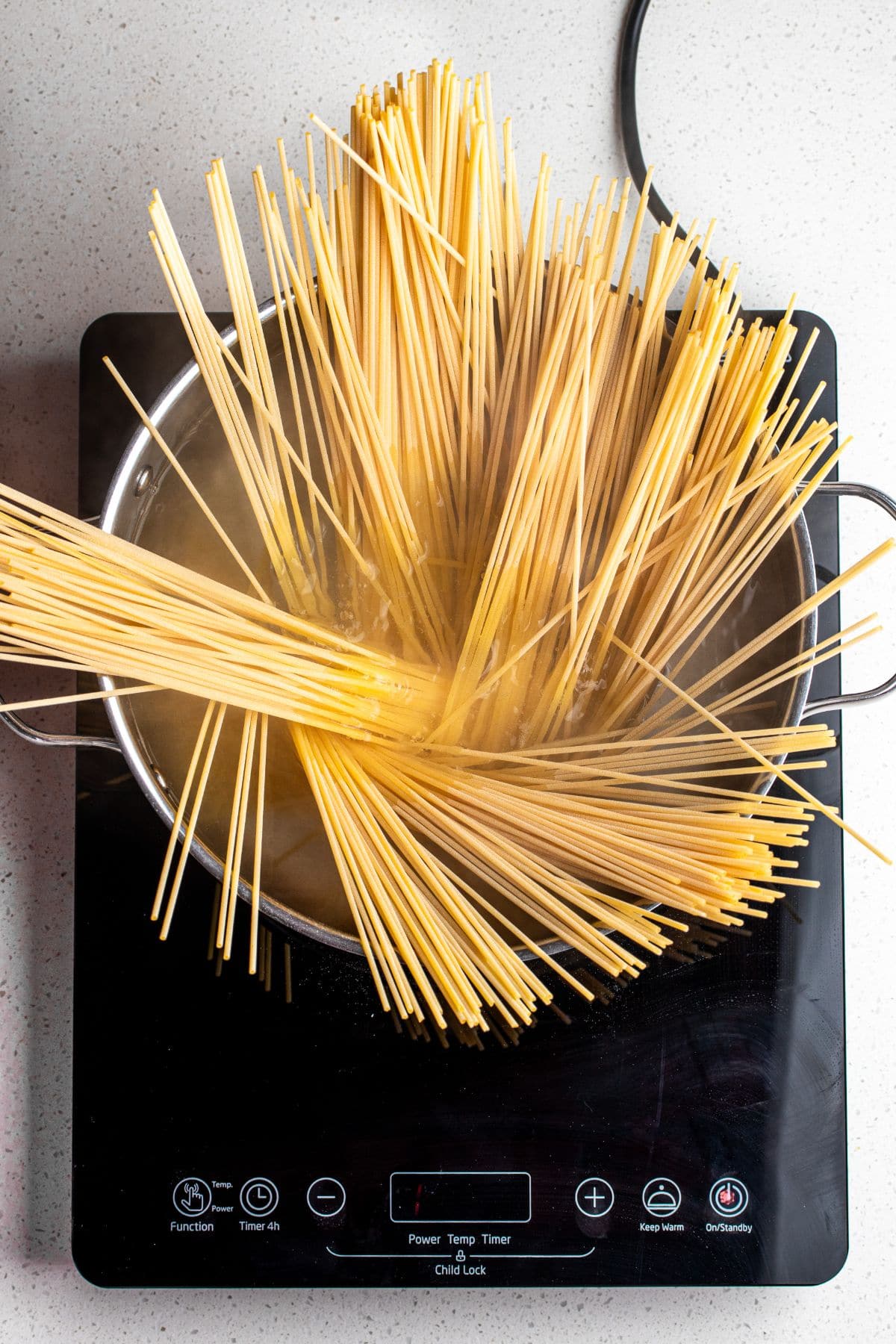
The foundation of great pasta begins with ample space and sufficient water. For every pound of pasta, you'll want to use a large 8–12-quart pasta pot, filled approximately three-quarters full with water. This generous volume ensures the pasta has enough room to move freely, preventing it from clumping together and promoting even cooking. Think of it like giving your pasta a swimming pool, not a crowded hot tub.
Once your pot is filled, turn up the heat to high and bring the water to a vigorous, rolling boil. This is not just a gentle simmer; you need a strong boil to ensure the temperature doesn't drop too drastically when you add the pasta, which could lead to soggy, unevenly cooked results.
The Magic of Salt
As soon as your water reaches a rolling boil, it's time to season it generously. The general rule of thumb is one tablespoon plus one teaspoon of salt per gallon of water. Don't be shy with the salt – this is your only chance to truly season the pasta itself from the inside out. Think of it as seasoning the water like the sea. The salt infuses flavor directly into the pasta as it cooks, resulting in a much more delicious final dish.
Timing is Everything (and the Package is Your Friend)
Once the water is boiling and seasoned, add your pasta. Stir it immediately to prevent it from sticking to itself or the bottom of the pot. Then, here's a crucial tip:
always follow the cooking time recommended on the pasta package. These times are specifically calibrated for that particular pasta shape and brand to achieve the ideal al dente texture. Set a timer, and resist the urge to overcook. If you're unsure, you can always do a "bite test" about a minute before the recommended time is up.
Stirring for Success
Beyond the initial stir, continue to stir your pasta every few minutes throughout the cooking process. This simple action is incredibly effective at preventing the strands from sticking together, ensuring each piece cooks evenly and separately. It’s a small effort that makes a big difference in the final outcome.
Debunking Common Pasta Myths
Now that we've covered the basics, let's tackle some persistent myths that often lead to less-than-perfect pasta.
Myth 1: Adding Oil to Pasta Water Prevents Sticking
This is perhaps one of the most widespread pasta myths. Many home cooks add a splash of olive oil to their boiling water, believing it will prevent pasta from sticking. The truth? Oil and water don't mix. The oil simply floats on top of the water and won't interact with the pasta in a meaningful way to prevent sticking. In fact, adding oil can be detrimental because it may coat the pasta, creating a slick surface that prevents your delicious sauce from clinging properly later on. Ample water and frequent stirring are your real allies against sticky pasta.
Myth 2: Rinsing Cooked Pasta
Another common mistake is rinsing cooked pasta under cold water after draining. While this might be appropriate for a cold pasta salad where you want to stop the cooking process immediately, it's a definite no-no for warm pasta dishes. Rinsing washes away the valuable starchy film that naturally forms on the pasta's exterior during cooking. This starch is essential for helping your sauce bind and emulsify with the pasta, creating that beautiful, cohesive dish you crave. Without it, your sauce might slide right off, leaving you with a watery, uninspired meal.
Why You *Should* Cook Pasta in Sauce
Contrary to the idea that pasta should be served immediately after draining, one of the best ways to finish cooking pasta like a pro is to actually *cook it with your sauce* for a minute or two. After draining (without rinsing!), transfer the pasta directly into your prepared sauce. Tossing and gently simmering the pasta in the sauce for a brief period allows the flavors to truly marry. The pasta absorbs some of the sauce's richness, and the sauce, in turn, benefits from the starches still clinging to the pasta, thickening slightly and becoming more cohesive. This crucial step is what truly brings a pasta dish together, creating a glossy, restaurant-quality result. For more insights on how to achieve this perfect integration, delve into
Master Pasta Like a Pro: Essential Tips for Sauce Cling.
The Secret Ingredient: Starchy Pasta Water
Just before your pasta is completely finished cooking – typically about one minute before the timer goes off – remember to reserve 1-2 cups of the starchy pasta water. This cloudy, often overlooked liquid is what chefs call "liquid gold." Why is it so valuable?
As pasta cooks, it releases starches into the water. This starchy water is an incredible emulsifier. When added to your sauce, it helps to thicken it, create a glossy sheen, and bind the sauce to the pasta beautifully. If your sauce ever seems too thick or dry, a ladleful of this reserved water can instantly loosen it and bring it back to life, making it cling perfectly to every strand. It’s a simple trick that elevates a good sauce to a great one.
While waiting for your water to boil or your pasta to cook, use that precious time wisely to prep your ingredients. Slice, dice, and measure everything in advance, placing items in small bowls (this is often called "mise en place" in professional kitchens). That way, when it’s time to finish your pasta or build your sauce, you can add ingredients quickly and with precision, just like the pros do. This efficient approach makes cooking a breeze and reduces stress.
Conclusion
Mastering
how to cook pasta to perfection is an art, but one that is entirely achievable in your home kitchen with a few key techniques and the willingness to shed some old habits. By focusing on the al dente texture, understanding the importance of proper water and salt ratios, stirring diligently, and embracing the power of starchy pasta water and the final sauce-tossing step, you'll transform your pasta dishes from good to absolutely glorious. Say goodbye to sticky, bland, or mushy pasta forever, and hello to a world of perfectly cooked, flavorful, and beautifully sauced creations. Happy cooking!