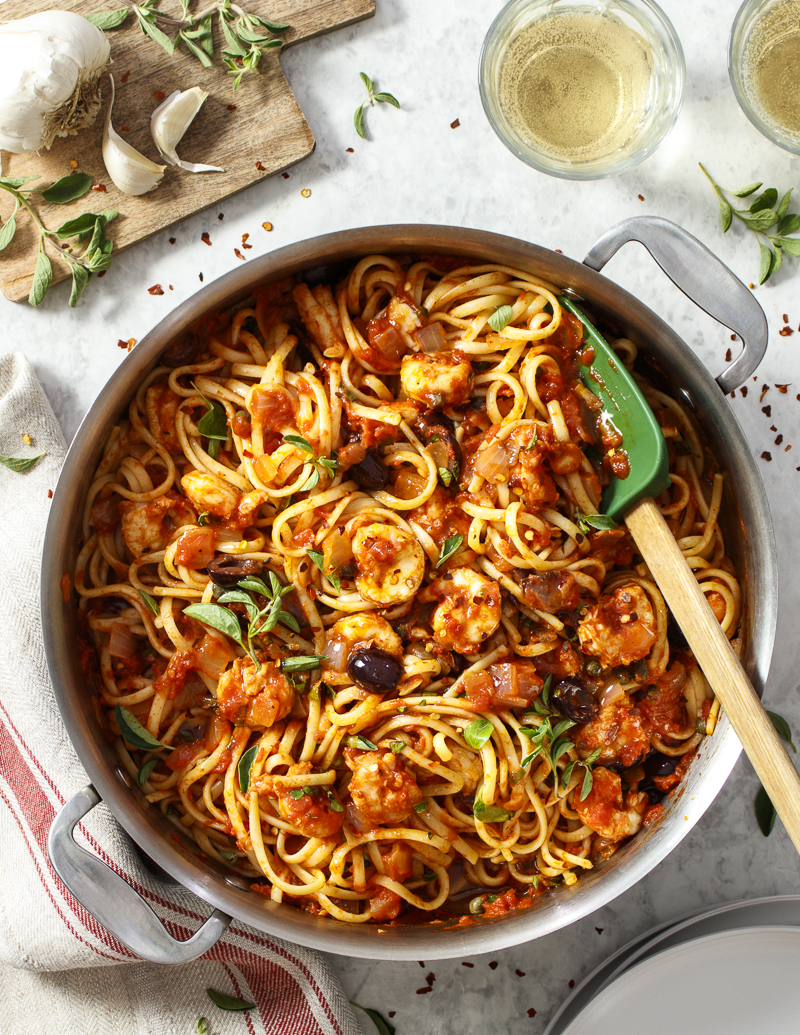
How to Cook Pasta Al Dente: The Ultimate Step-by-Step Guide
Are you tired of serving up plates of limp, overcooked pasta? Do you dream of achieving that perfect “al dente” bite that elevates pasta from a simple side dish to a culinary masterpiece? If so, you’ve come to the right place! Mastering how to cook pasta perfectly every time is simpler than you think, and the secret lies in one essential Italian phrase: al dente.
This comprehensive guide will delve deep into the world of al dente pasta. We’ll explore the nuances of this essential cooking technique, explaining what it means, why it matters, and how to achieve it consistently in your own kitchen. We’ll go beyond simply defining al dente, uncovering the reasons why it enhances the texture, flavor, and even the digestibility of your pasta dishes. By the end of this article, you'll be equipped with the knowledge to cook pasta like a pro, transforming everyday meals into extraordinary culinary experiences.
What Exactly is "Al Dente"? And Why Does It Matter?
The term "al dente" is Italian for "to the tooth," and it perfectly describes the ideal texture of cooked pasta. It means the pasta should be firm, yet tender, offering a slight resistance when you bite into it – not mushy, not hard, but with a pleasant chew. Think of it as a subtle snap, a satisfying bounce, a perfect balance between yielding and resilient.
But why is this texture so crucial? The reasons extend beyond mere preference:
- Enhanced Texture: Al dente pasta provides a much more engaging and enjoyable eating experience. It gives your palate something to work with, preventing the dish from becoming a monotonous, soft mouthful.
- Superior Flavor Absorption: When pasta is cooked al dente, its starches are not fully gelatinized and rinsed away. This slightly firmer core allows the pasta to better absorb and cling to your sauce, integrating the flavors more deeply rather than just being coated superficially.
- Better Digestion: Surprisingly, al dente pasta is often easier to digest. The slight firmness means you'll chew it more thoroughly, which aids the digestive process. Overcooked pasta, on the other hand, can turn into a gummy mass that's harder for your system to break down.
- Preventing Stickiness: Properly cooked al dente pasta is less likely to stick together in a clumpy mess. The structure of the starch is maintained, allowing individual strands or pieces to remain separate.
Achieving this elusive texture is the hallmark of a great pasta dish, ensuring every forkful is a symphony of flavor and texture.
The Ultimate Step-by-Step Guide to Al Dente Perfection
Ready to master how to cook pasta like a seasoned chef? Follow these precise steps for perfectly cooked, al dente pasta every single time.
1. Choose the Right Pot and Use Plenty of Water
Start by selecting a large, heavy-bottomed pot – an 8-12 quart pot is ideal for cooking 1 pound of pasta. Fill it three-quarters full with cold water. Why so much water? This generous amount provides ample space for the pasta to move freely, preventing clumping and ensuring even cooking. It also helps to keep the water temperature stable once the pasta is added, preventing a significant drop that can lead to gummy pasta.
2. Bring the Water to a Roaring, Rolling Boil
Place your pot on high heat and bring the water to a vigorous, rolling boil. This isn't just a gentle simmer; you want big, consistent bubbles breaking the surface. A strong boil ensures the pasta cooks quickly and evenly, preventing it from languishing in lukewarm water and becoming soggy.
3. Season Generously with Salt (and Skip the Oil!)
Once the water is at a rolling boil, it's time to season it. Add about one tablespoon plus one teaspoon of fine sea salt or kosher salt per gallon of water. Don't be shy with the salt; this is your only chance to season the pasta itself from the inside out. The salt penetrates the pasta as it cooks, enhancing its natural flavors. Without enough salt, your pasta will taste bland, no matter how delicious your sauce is.
A crucial tip: Resist the urge to add oil to the cooking water. Many believe it prevents sticking, but oil and water don't mix. The oil simply floats on the surface, doing nothing to prevent pasta from sticking to itself. More importantly, it can interfere with how your sauce clings to the pasta later, creating a slick barrier that causes the sauce to slide right off. For more insights on this, you might find our article on Master Pasta Like a Pro: Essential Tips for Sauce Cling very helpful.
4. Add the Pasta and Stir Immediately
Carefully add your pasta to the boiling, salted water. Immediately after adding, give it a good stir. Continue stirring every few minutes throughout the cooking process. This initial and subsequent stirring is vital for two reasons: it prevents the pasta from sticking to itself or the bottom of the pot, and it ensures the pasta cooks uniformly, hydrating evenly from all sides.
5. Follow Package Instructions and Perform the "Bite Test"
Wondering how long to cook pasta? Your pasta's packaging is your best friend! The cooking times listed are specifically designed to achieve an al dente texture. Start timing once the water returns to a boil after adding the pasta. For most dry pasta, this usually ranges from 8-12 minutes, but it varies significantly by shape and thickness.
About a minute or two before the package-recommended cooking time is up, begin performing the "bite test." Carefully retrieve a piece of pasta with tongs or a slotted spoon (be gentle, it's hot!). Let it cool for a second, then bite into it. You're looking for a firm resistance with no hard, chalky, or raw flour taste in the center. The very middle might still show a tiny, almost translucent white dot or line, but it should not be opaque white or crunchy. It should be tender but still have that satisfying chew.
6. Reserve the "Liquid Gold": Pasta Water
Just before you drain your pasta – typically about one minute before the timer goes off – reserve 1 to 2 cups of the starchy cooking water. This cloudy, starchy water is often referred to as "liquid gold" by professional chefs, and for good reason! The starch released from the pasta during cooking makes it an incredible emulsifier and thickener. It helps bind your sauce to the pasta, creating a glossy, cohesive texture that elevates the entire dish.
7. Drain, But Do NOT Rinse Your Pasta!
Once your pasta passes the bite test, immediately drain it using a colander. This step is critical: do not rinse your pasta! Rinsing washes away the precious starchy coating that clings to the pasta. That starch is essential for helping your sauce adhere beautifully. Rinsing also cools the pasta down, which can prevent it from properly melding with your warm sauce.
8. The Critical "Marriage": Finish Cooking Pasta in the Sauce
This is where good pasta becomes great. After draining, immediately transfer your hot pasta directly into your warmed sauce. Cook them together for another minute or two over medium heat. This crucial step allows the pasta to absorb the flavors of the sauce, and for the sauce to infuse into the pasta, truly marrying the components. Add splashes of your reserved pasta water as needed to thin the sauce to your desired consistency and help it emulsify, creating that rich, glossy finish that beautifully clings to every strand. This step is a game-changer for enhancing flavor and texture.
Pro Tips for Elevating Your Pasta Game
- Master Your Mise en Place: While waiting for your water to boil, use that time wisely to prep all your ingredients. Slice, dice, and measure everything in advance, placing items in small bowls. This practice, known as mise en place, ensures that when it’s time to build your sauce or finish your pasta, you can add ingredients quickly and with precision, just like the pros do.
- Different Shapes, Different Times: Remember that cooking times can vary greatly between different pasta shapes and brands. Always defer to the package instructions as a starting point. Thinner pasta like angel hair will cook much faster than thicker shapes like rigatoni or lasagna sheets.
- Pasta for Cold Salads: If you're preparing pasta for a cold salad, you might want to cook it slightly past al dente, as it will firm up further as it cools. However, still avoid overcooking it to the point of mushiness. After draining, you can rinse cold salad pasta lightly to cool it down and prevent sticking, as sauce cling is less critical here.
- Debunking Myths: There are many misconceptions about cooking pasta that can hinder your results. For a deeper dive into separating fact from fiction, check out our article: Achieve Perfect Pasta: Debunking Common Cooking Myths.
Conclusion
Mastering how to cook pasta al dente is not just about following a recipe; it's about understanding the nuances of temperature, timing, and technique. By providing ample water, salting generously, stirring diligently, and crucially, finishing the pasta directly in the sauce with a touch of reserved pasta water, you unlock a world of superior texture and flavor. Say goodbye to bland, mushy pasta and hello to perfectly tender, toothsome dishes that impress every time. With a little practice and the guidance provided here, you’ll be well on your way to creating pasta dishes that are as delicious as they are satisfying.
